



Decode TAT, WAT, SRT, and SDT — and learn to respond the way a genuine officer-like personality would.
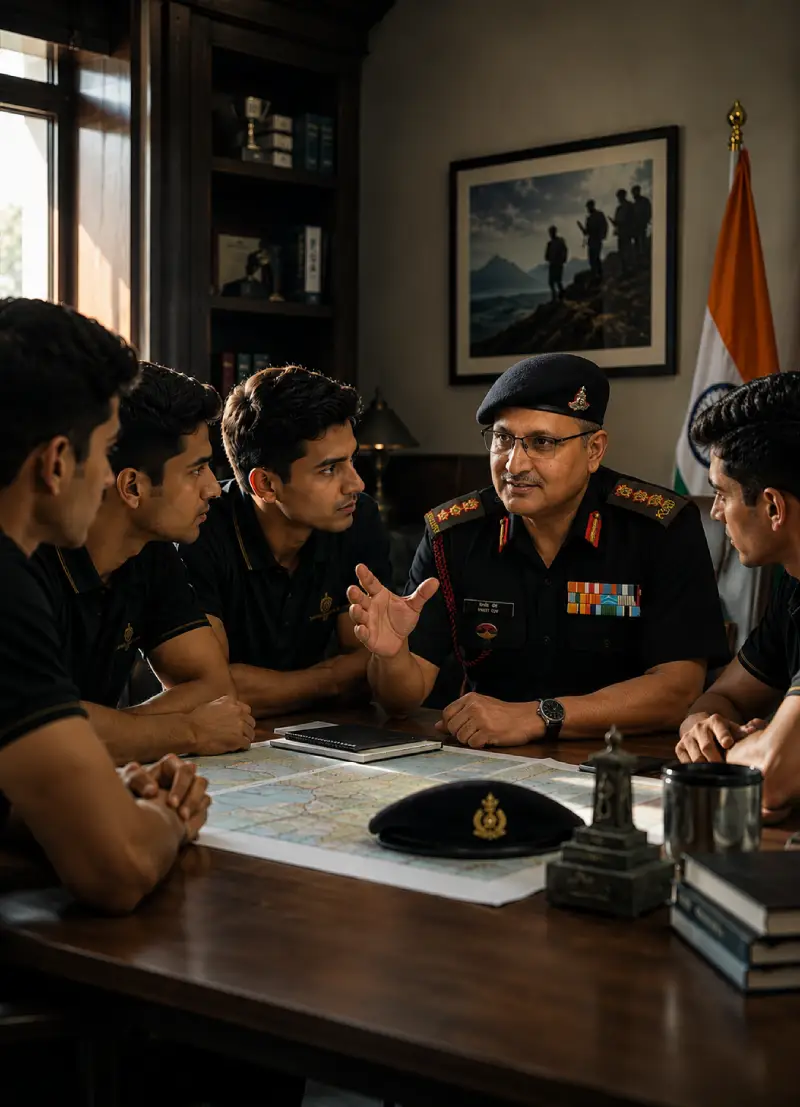

Insight. Honesty. Pattern.
The Psychology Test day is often the most misunderstood part of the SSB. Candidates try to write “ideal” responses, not realising that psychologists are trained to spot patterns across all four tests — and inconsistency stands out far more than imperfection.
With direct experience in how these tests are actually assessed, this guidance helps you understand what each test is really measuring, identify your own natural response patterns, and build genuine, consistent answers — instead of memorised lines that fall apart under scrutiny.
The goal isn’t to teach you what to write. It’s to help you understand yourself well enough that your honest responses already reflect officer-like qualities.
Each test reveals a different layer of your personality — preparation has to match that.
Learn to build natural, action-oriented stories from ambiguous pictures that genuinely reflect leadership and positive intent.
Practice quick, instinctive word responses that reveal a constructive, balanced mindset rather than rehearsed phrases.
Work through realistic situations to develop practical, decisive responses that reflect sound judgment under time pressure.
Guidance on describing yourself, family, friends, and teachers in a way that is consistent, honest, and self-aware.
Detailed review of your responses across all four tests to spot contradictions before an assessor does.
Understand which Officer Like Qualities each test is designed to reveal, and how to let them show through naturally.
Take the first step toward your SSB journey with expert mentorship designed to build confidence, clarity, and officer-like qualities. Through structured guidance, personalized feedback, and real-world insights, prepare yourself to perform with authenticity and leadership potential.
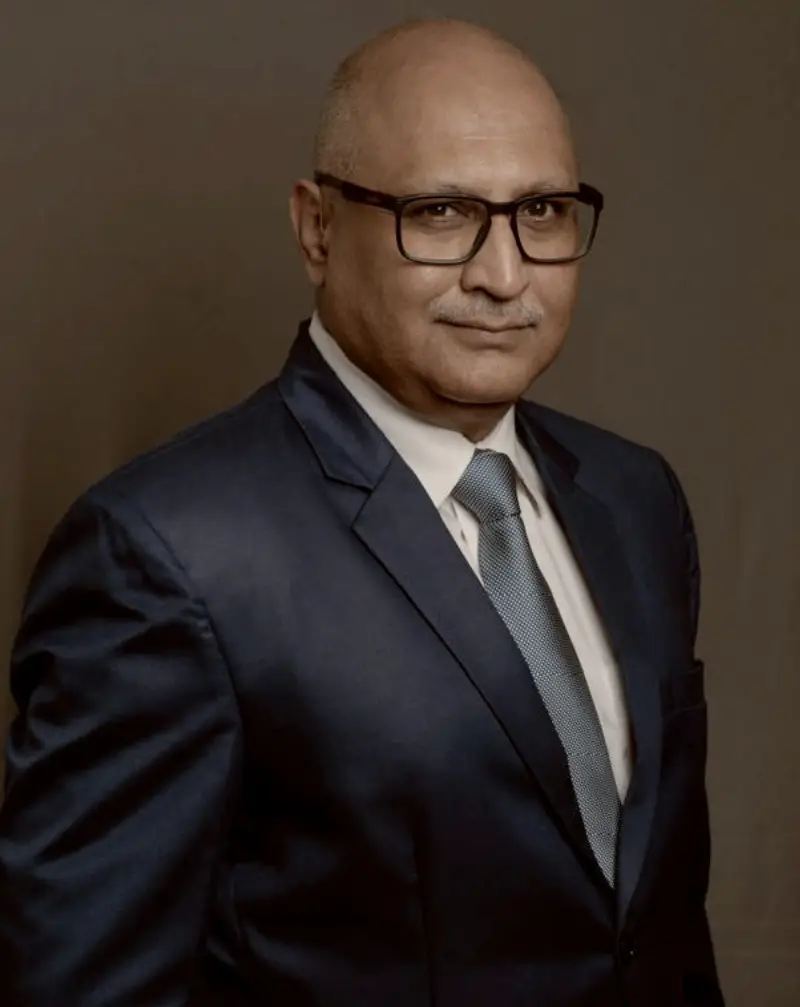

A Life Shaped by Service, Leadership & Purpose
Many candidates spend hours memorising “model” responses, only to write inconsistent or unnatural answers under real time pressure. Psychologists aren’t looking for perfect stories — they’re looking for a consistent personality across TAT, WAT, SRT, and SDT. Real preparation means understanding your own thought patterns well enough to respond naturally and consistently, even in a four-test marathon under time pressure.

Attempt sample TAT, WAT, SRT, and SDT exercises to understand your current natural response patterns.
Detailed review identifying inconsistencies, blind spots, and patterns across your responses.
Repeated practice under timed conditions, with feedback after each round to build natural, consistent responses.
A final review across all four tests together, ensuring your responses present one coherent, authentic personality.
Have questions about our programs, mentorship, or consulting services? Reach out to us and take the first step toward greater clarity, confidence, and leadership excellence.
Any SSB aspirant — especially those who’ve been screened out before or who feel unsure about their TAT, WAT, SRT, or SDT responses.
Yes, all sessions are conducted online via Google Meet or Zoom, so you can attend from anywhere in India or abroad.
No. Psychologists are trained to spot memorised or copied responses. This guidance focuses on helping you respond naturally and consistently, in your own voice.
Psych assessments focus on your written, timed responses to pictures, words, and situations. Interview guidance focuses on your spoken responses in the Personal Interview.
Yes, identifying inconsistencies and unnatural response patterns from a previous attempt is a key part of this preparation.
Leadership notes, SSB insights, articles, podcasts, and reflections from Col Vineet Dev — thoughtfully shared from time to time.
Building Leaders. Strengthening Organizations. Sharing Insights.
Mentoring aspiring Defence Services Officers, advising organisations, and sharing lessons from military service, corporate leadership, and authorship.